Your first flock starts with one decision that shapes everything after it: where you get your birds. The hatchery you choose determines the health, genetics, and temperament of every chick that arrives at your door. Get it right, and you set yourself up for years of fresh eggs and a backyard that hums with life.
This guide walks you through every factor that matters when picking a chicken hat
chery, from breed selection and health certifications to shipping policies and livability guarantees. Hoover’s Hatchery has been helping Keepers build thriving flocks since 1944, and we put that experience to work here so you can order with confidence.
Key Takeaways: Choosing a Chicken Hatchery
- NPIP certification means breeding flocks participate in testing for specific poultry diseases.
- Breed variety matters because matching the right bird to your climate and goals prevents costly mistakes later.
- A written livability guarantee with a clear claim window protects your investment if chicks arrive in poor health.
- Our breeding flocks are NPIP certified. Hoover’s Hatchery also offers a 48-hour livability guarantee and optional vaccinations.
- Evaluating shipping methods, sexing accuracy, and customer reviews gives you the full picture before you order.
What Is a Chicken Hatchery and How Does It Work?
A chicken hatchery is a facility that incubates fertilized eggs and hatches day-old chicks for sale to backyard Keepers, homesteaders, and farm stores. Hatcheries maintain their own breeding flocks, select birds for specific traits, and ship live chicks directly to your local post office via USPS Priority Mail.
Most hatcheries hatch chicks on a weekly schedule. You pick your breeds, select a ship date, and the hatchery coordinates so every bird in your order hatches on the same day. Chicks absorb the remaining yolk sac just before hatching, which helps sustain them for 48–72 hours without food or water.
That 48–72-hour window is why location and shipping speed matter. A shorter trip can help reduce the time chicks spend in transit.
Why Your Choice of Hatchery Affects Flock Health
The genetics, disease testing, and care standards at a hatchery determine how your birds perform for years. Chicks from a hatchery with poor breeding stock may never reach their egg-laying potential. Birds from untested flocks can carry diseases that spread through your entire coop before symptoms appear.
The National Poultry Improvement Plan (NPIP) is a voluntary program that monitors breeding flocks for specific poultry diseases. Testing requirements vary by program classification. Our breeding flocks are NPIP certified.
Beyond testing, the way birds are raised on the hatchery’s farms shapes their temperament and hardiness. Birds raised in a healthy, natural environment tend to adapt faster to backyard life and handle stress during shipping with fewer losses.
How to Evaluate Breed Selection at a Hatchery
Match Breeds to Your Climate and Goals
Start by defining what you want from your flock. If you want eggs every morning, look for breeds known for consistent production, like Rhode Island Reds or ISA Browns. If you want dual-purpose birds for eggs and meat, Plymouth Rocks and Orpingtons are reliable choices.
Climate plays a big role too. Cold-hardy breeds like Buff Brahmas and Wyandottes do well in northern states with harsh winters. Heat-tolerant breeds like Leghorns and Andalusians handle southern summers more comfortably. Picking the wrong breed for your region leads to health problems and reduced laying.
Look for Rare and Specialty Breeds
If you are drawn to heritage lines or unusual varieties, a hatchery’s breed catalog tells you a lot about their depth. Hatcheries that carry rare breeds alongside standard varieties tend to invest more in their genetics programs.
Hoover’s Hatchery carries over 100 chicken breeds, including hard-to-find heritage and specialty varieties. That kind of selection means you can build a diverse flock from a single source.
Consider Species Beyond Chickens
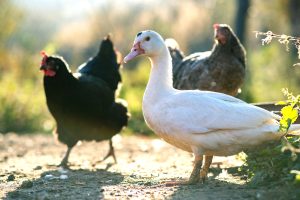
A hatchery that offers ducks, turkeys, guineas, geese, quail, and pheasants gives you room to grow. Many Keepers start with chickens and then add waterfowl or game birds as their homestead expands.
Ordering multiple species from one hatchery simplifies logistics. You get consistent quality, one shipping timeline, and a single customer service contact if questions come up.
What Does NPIP Certification Mean for Backyard Keepers?
NPIP stands for the National Poultry Improvement Plan, a cooperative program between flock owners, state agencies, and the USDA. It was established in the 1930s to help control Pullorum Disease and has expanded to include additional poultry disease monitoring programs.
NPIP certification indicates participation in testing for specific poultry diseases. The diseases covered depend on the flock’s program classification. Our breeding flocks are NPIP certified.
Always confirm the hatchery lists its NPIP status on its website or catalog before placing an order. If that information is hard to find, treat it as a caution sign.
How to Check a Hatchery’s Shipping and Handling Policies
Shipping Method and Transit Time
Most hatcheries ship day-old chicks via USPS Priority Mail, which typically delivers in one to three days. The shorter the transit time, the healthier your chicks will be on arrival. Hatcheries with multiple locations can often ship from a facility closer to your address, cutting down travel time.
Hoover’s Hatchery has hatcheries in Iowa, New Mexico, Missouri, and Pennsylvania, helping serve Keepers across the country.
Minimum Order Requirements
Hatcheries set minimum orders so chicks can keep each other warm during transit. Minimums typically range from 3 to 25 chicks depending on the hatchery, the species, and the time of year. Check whether the minimum is a flat number of birds or a dollar amount, because that varies by hatchery.
Packaging and Live Arrival Guarantees
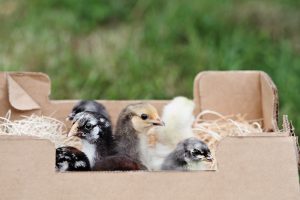
Reputable hatcheries pack chicks in sturdy, ventilated boxes with clear fragile labeling. The packaging should keep chicks warm and secure for the duration of the trip. A written live-arrival or livability guarantee is non-negotiable when you are ordering live birds through the mail.
Hoover’s Hatchery backs every shipment with a 48-hour livability guarantee. Report any loss within 48 hours of arrival so the hatchery can work with you on a resolution. That kind of accountability is a reliable marker of a hatchery that stands behind its birds.
Why Sexing Accuracy Matters When Ordering Chicks
Sexing is the process of determining whether a day-old chick is male or female. If you are ordering pullets (young hens) for egg production, accuracy matters. An unexpected rooster in a backyard flock can cause noise complaints, zoning issues, and the hassle of rehoming.
Most hatcheries guarantee sexing accuracy at around 90%. That means in an order of ten pullets, one might turn out to be a cockerel. Hatcheries that stand behind their sexing guarantee will refund or replace any birds beyond that 10% margin. Hoover’s Hatchery guarantees all sexed birds to be 90% accurate, which aligns with the industry standard.
Some breeds are harder to sex at hatch than others. Bantams and certain ornamental breeds are often sold straight-run (unsexed) because reliable sexing is not possible at day one. Keep this in mind when building your order.
How Vaccinations Protect Your New Flock
Many hatcheries offer optional vaccinations at the time of hatching. The two most common are Marek’s Disease vaccine and Coccidiosis vaccine. Marek’s is a viral disease that can cause paralysis and tumors in chickens, and vaccination at hatch is the standard way to protect against it.
Coccidiosis vaccine exposes chicks to a controlled dose of coccidia so they build natural immunity over time. If you plan to use medicated feed, skip the coccidiosis vaccine because medicated feed can interfere with the vaccine’s effectiveness.
Hoover’s Hatchery offers optional Marek’s and Coccidiosis vaccinations for standard chicks. Adding these at hatch is one of the simplest ways to give your flock a strong start.
Step-by-Step Guide to Placing Your First Hatchery Order
Step 1: Define Your Flock Goals
Decide what you want from your birds. Egg production, meat, dual-purpose, ornamental, or a mix of all four. Write down the number of birds you want and the specific breeds you are interested in. Consider your local zoning laws, coop space, and how many hens you can realistically care for.
Step 2: Research and Compare Hatcheries
Look at breed selection, NPIP certification, shipping policies, livability guarantees, sexing accuracy, and vaccination options. Read customer reviews, paying attention to patterns rather than isolated complaints. A hatchery with consistently positive feedback on chick health and customer service is a safer bet than one with mixed results.
Step 3: Order Early and Select Your Ship Date
Popular breeds sell out fast, especially in early spring. Most large hatcheries open their spring availability in January. Reserve your chicks early to lock in your preferred breeds and ship date. Make sure every breed in your order is available on the same hatch day so your entire order ships together.
Step 4: Choose Sexing and Vaccination Options
Select pullets if you need hens for eggs. Add Marek’s vaccination for long-term disease protection. Decide on coccidiosis vaccination based on your feeding plan. Confirm that your choices are reflected in the order total before checking out.
Step 5: Prepare Your Brooder Before Arrival Day
Set up a draft-free brooder with a heat source, clean bedding, fresh water, and chick starter feed. Start the heated area at 95–100°F for the first week, then decrease the temperature by about 5 degrees each week after that. Give chicks room to move away from the heat and watch their behavior to help guide adjustments. Hoover’s Hatchery offers care kits and supplements like First Peep and Chick E-Lixir to support digestive health and immune development during those critical first weeks.
Step 6: Receive Your Chicks and Inspect Immediately
Your post office will call as soon as the chicks arrive, often before regular business hours. Pick them up promptly. Open the box at home near your brooder, count the chicks, and check for any signs of distress. Dip each chick’s beak in water to encourage drinking. Contact the hatchery right away about health concerns, and report any loss within 48 hours of arrival.
What to Look for in Hatchery Customer Reviews
Customer reviews reveal things a hatchery’s website cannot. Look for patterns across multiple reviews rather than focusing on a single complaint. Consistent praise for healthy chicks on arrival, accurate breed identification, and responsive customer service are positive signals.
Red flags include repeated mentions of incorrect breeds, high mortality on arrival, or difficulty reaching customer support. A hatchery that responds publicly to negative reviews and works to resolve issues shows a genuine commitment to its Keepers.
Hoover’s Hatchery has built a trusted reputation among Keepers and farm stores nationwide, which is reflected in its long-standing relationships with major retail partners and independent backyard poultry enthusiasts alike.
How Hatchery Location Affects Chick Health During Shipping
The distance between a hatchery and your home directly impacts how long chicks spend in transit. A shorter trip means less stress, fewer losses, and healthier birds when they arrive. Hatcheries operating from multiple locations across the country can route shipments from the facility closest to you.
Hoover’s Hatchery has hatcheries in Iowa, New Mexico, Missouri, and Pennsylvania. Multiple locations help serve Keepers across the country. Ask where your chosen birds will ship from and consider the expected transit time when planning your order.
Understanding Straight-Run, Pullet, and Cockerel Orders
When you place an order, you will see three options for most breeds: straight-run, pullet, or cockerel. Straight-run means the chicks have not been sexed, so you get a random mix of males and females. Pullet orders are all female. Cockerel orders are all male.
Pullets cost more per chick because sexing adds labor and because hens are in higher demand. If you do not need roosters, paying extra for sexed pullets saves you the time and effort of rehoming unwanted males later.
Straight-run is the only option for certain breeds that are difficult to sex at hatch, like Silkies and many bantam varieties. If you order straight-run, plan for the possibility that roughly half your chicks will be males.
What to Know About Hatchery Return and Refund Policies
Every hatchery handles returns and refunds differently, so read the fine print before you order. Key questions to answer include: How long do you have to report losses after arrival? Do they refund, replace, or credit your account? Is there a process for reporting incorrect breeds?
Hoover’s Hatchery asks Keepers to report any loss within 48 hours of arrival. Quick reporting helps the hatchery review your claim. Check the published policy for any documentation requirements.
A clear, published refund policy is a sign of a hatchery that operates with transparency. If a hatchery does not post its guarantee terms, reach out to customer service and ask for them in writing before you buy.
Identifying Common Red Flags When Choosing a Hatchery
Not every hatchery operates at the same standard. Watch for these warning signs when evaluating your options:
- No NPIP certification listed on the website or catalog
- No written livability or live-arrival guarantee
- Vague or missing information about breeding stock origins
- Consistently negative reviews mentioning sick or incorrect birds
- No clear customer service contact, such as a phone number or email
A hatchery that is transparent about its certifications, policies, and breeding practices earns your trust before you spend a dollar. One that hides this information or makes it difficult to find deserves a closer look, or no look at all.
Building Your Flock: How to Choose a Chicken Hatchery With Confidence
Choosing a chicken hatchery comes down to five things: health certifications, breed variety, shipping reliability, clear guarantees, and honest communication. When you evaluate a hatchery on these criteria, the right choice becomes clear.
Start with NPIP certification. Look for a breed catalog that matches your goals and climate. Confirm the hatchery’s shipping policies, sexing accuracy, and livability guarantee. Read customer reviews for patterns, not outliers. And pick a hatchery with locations that keep transit time short.
Hoover’s Hatchery brings together four family hatcheries and over 300 combined years of experience, with a commitment to raising birds the right way. Our breeding flocks are NPIP certified. Your flock deserves a strong start, and the right hatchery helps you prepare for it.
FAQs About Choosing a Chicken Hatchery
What is the safest way to order chicks from a hatchery?
Order from an NPIP-certified hatchery with a written livability guarantee and USPS Priority Mail shipping. Confirm your brooder is set up before your ship date so chicks go straight into a warm, safe environment on arrival.
How many chicks should I order for my first flock?
Most beginners do well starting with 5–10 hens, but keep no fewer than 3 so they have flock companionship. Consider your coop space, local rules, and egg needs when deciding how many to bring home. Hoover’s Hatchery lets you mix and match breeds to meet minimum order requirements, so you can build a diverse flock from the start.
Does NPIP certification guarantee my chicks will be healthy?
No. NPIP certification means breeding flocks participate in testing for specific poultry diseases; the diseases covered depend on the program classification. It does not guarantee that every chick will be free of every health issue. Our breeding flocks are NPIP certified. Proper brooder setup and biosecurity remain important after your chicks arrive.
Can I order just a few chicks, or do hatcheries require large minimums?
Minimum orders vary by hatchery, typically ranging from 3 to 25 chicks. The minimum exists so chicks can keep each other warm during shipping. Hoover’s Hatchery lists its current minimums on its website, and you can often combine different breeds to reach the threshold.
What should I do if chicks arrive sick or dead?
Contact the hatchery right away about sick chicks, and report any loss within 48 hours of arrival. Hoover’s Hatchery offers a 48-hour livability guarantee. Review the policy for documentation requirements and available resolutions.
Is it better to buy vaccinated or unvaccinated chicks?
Marek’s Disease vaccination at hatch is recommended for most backyard flocks because there is no treatment once a bird is infected. Coccidiosis vaccination is helpful if you plan to use unmedicated feed. Hoover’s Hatchery offers both vaccines as optional add-ons when you place your order.
How do I know which chicken breeds are right for my climate?
Cold-hardy breeds like Brahmas and Wyandottes handle freezing winters well. Heat-tolerant breeds like Leghorns and Andalusians thrive in warmer regions. Hoover’s Hatchery carries dual-purpose and climate-adapted breeds so you can match your flock to your environment.
Choosing a hatchery is about feeling good about where your birds come from—and knowing you have someone to turn to as you raise them. Take time to find the breeds that fit your backyard, understand what to expect when they arrive, and ask the questions on your mind.
When you’re ready, explore our breeds. If you need help deciding, we’re here for that, too.