
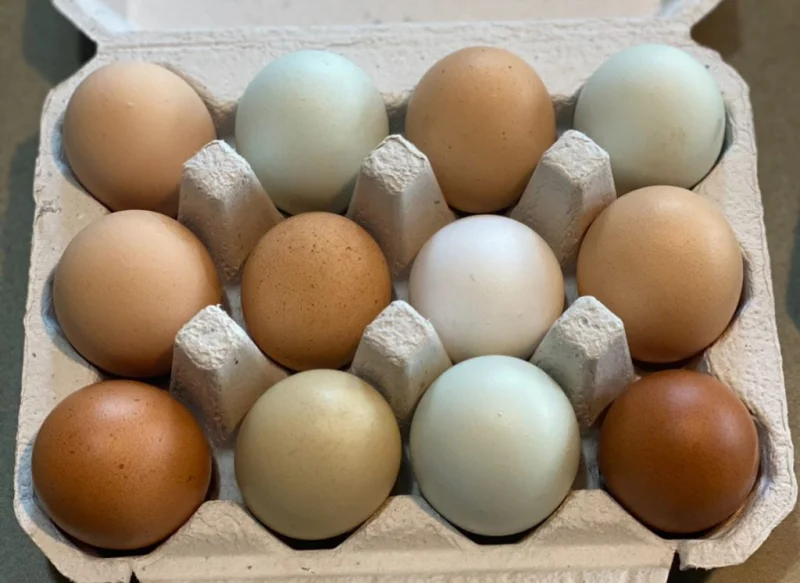
Quick answer
Washing removes an egg’s natural bloom (cuticle), so wash only when needed, ideally right before use. Use warm water, 90 to 120 degrees Fahrenheit, never cold. Rinse or gently brush, dry thoroughly and refrigerate washed eggs right away. Lightly soiled eggs can simply sit on the counter. If you sell eggs, check your state rules, since some require them unwashed.
There’s something so special about walking out to the coop to collect fresh eggs! The hard shells, rich yolks and buttery taste of farm fresh eggs can’t be rivaled. But when it comes to cleaning those fresh eggs from your flock, there’s often some confusion about the best way to do it.
Proper egg washing is key to keeping your eggs safe, clean and fresh whether you’re collecting for your family, gifting to friends or selling at a local farmers market. Here’s everything you need to know about how to wash fresh chicken eggs the right way, without ruining their natural protection.
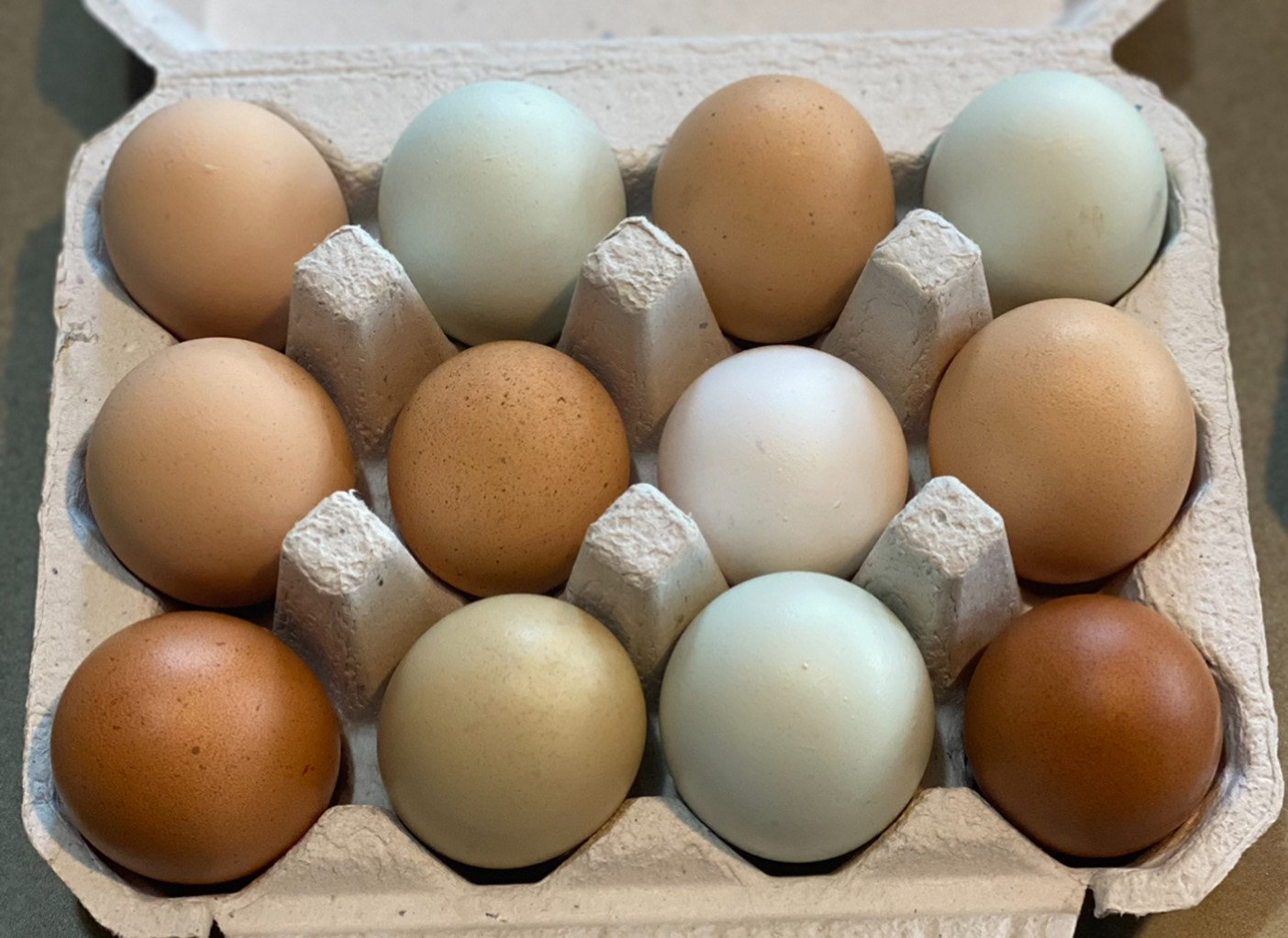
Should You Wash Fresh Chicken Eggs?
Freshly laid eggs often have a bit of dirt, manure or feathers clinging to the shell. While eggshells have a natural protective coating called the “bloom” or “cuticle” that helps keep bacteria out, washing removes this coating. Even one drop of water can compromise that barrier!
That’s why timing and method matter. Ideally, wash eggs right before you plan to use them. Washing too early or storing washed eggs at room temperature increases the risk of bacteria entering through the shell.
If eggs aren’t overly dirty, I usually just place them in a basket on the counter. For heavily soiled eggs, it’s best to clean them gently and refrigerate them right away.
What Do You Need to Wash Fresh Eggs?
-
Warm water (90–120°F / 32–49°C) – never cold, which can pull bacteria into the shell.
-
Mild dish soap (optional) or an egg washing solution.
-
A clean towel or paper towels.
-
A soft brush or cloth (optional).
How to Wash Farm Fresh Eggs
-
Start with warm water. Always use water warmer than the egg’s temperature. This helps push bacteria out rather than pulling it in. Test the water on your wrist first.
-
Rinse gently. For lightly dirty eggs, a warm water rinse is often enough.
-
Scrub if needed. For more soiled eggs, gently use a soft brush or cloth. Avoid soaking eggs, as this can let bacteria in.
-
Dry thoroughly. Pat dry with a clean towel or paper towels. Reducing moisture helps keep bacteria from multiplying.
-
Refrigerate right away. Cold storage helps keep eggs fresh and safe.
If an egg is cracked or has an off smell, it’s best to toss it. If you know you cracked it during collection, go ahead and cook it right away. And of course, always wash your hands with warm soapy water before and after handling eggs.
Can You Wash and Sell Farm Fresh Eggs?
If you’re selling eggs at a farm stand or local farmers market, make sure to check your state and local guidelines. Some states require eggs to remain unwashed, while others allow washing under certain conditions.
In Minnesota, for example, small flock owners often follow different rules than commercial producers. Staying compliant helps protect your customers, and your flock’s reputation. Here’s the USDA rules for MN egg sales.
So, whether you’re collecting eggs from your backyard chicken coop, gifting them to neighbors or selling them locally, clean, properly handled eggs make all the difference. Presentation matters! No one wants to receive muddy or poopy eggs, but more importantly, proper handling ensures safe and delicious farm fresh eggs.
Until next time,
– The Wing Lady
Frequently Asked Questions
Should you wash fresh chicken eggs?
Washing removes the natural bloom or cuticle that helps keep bacteria out, so wash eggs only when needed and ideally right before you plan to use them.
What temperature water should you use to wash eggs?
Warm water, 90 to 120 degrees Fahrenheit (32 to 49 degrees Celsius). Always use water warmer than the egg, never cold, which can pull bacteria into the shell.
How do you wash farm fresh eggs?
Rinse gently with warm water, gently scrub very dirty eggs with a soft brush or cloth without soaking them, dry thoroughly and refrigerate right away.
Do washed eggs need to be refrigerated?
Yes. Cold storage keeps washed eggs fresh and safe. Lightly soiled eggs that you do not wash can sit in a basket on the counter.
Can you sell washed eggs at a farmers market?
Check your state and local rules. Some states require eggs to remain unwashed, and others allow washing under certain conditions.
What should you do with a cracked egg?
If an egg is cracked or has an off smell, toss it. If you cracked it during collection, cook it right away.